Impact Assessment
What Is An Impact Assessment?
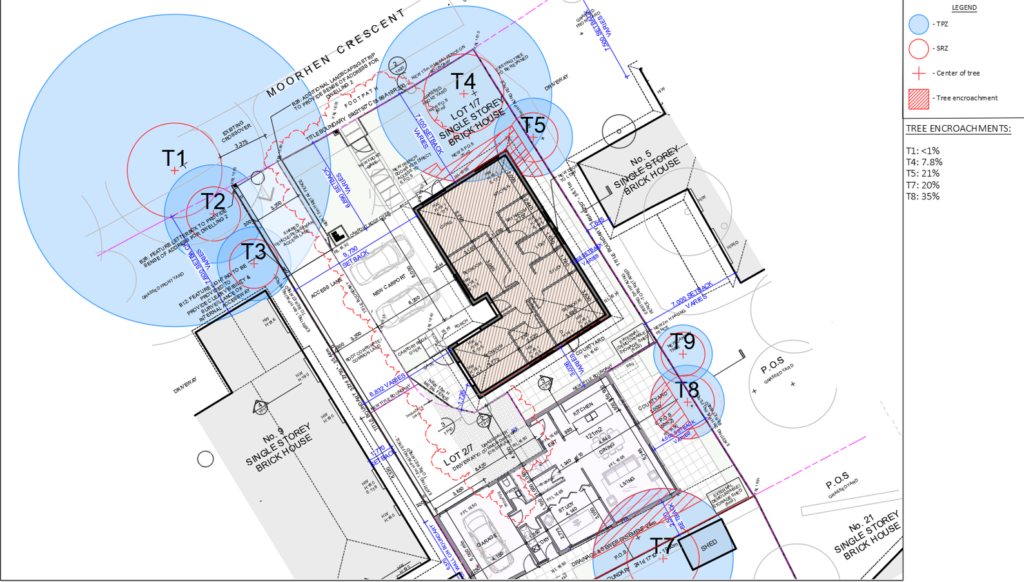
An Impact Assessment in the arboriculture industry is a detailed evaluation of how proposed development activities may affect existing trees on or near a project site. The process typically involves assessing the potential risks and consequences of construction, excavation, or landscaping activities on the health, stability, and longevity of trees.
Components of an Arboricultural Impact Assessment
Tree Survey and Data Collection: Identifying and documenting the species, size, age, health, and structural condition of trees within the project area.
Impact Analysis: Assessing how proposed activities, such as building foundations, utility installations, or grading, might damage tree roots, trunks, or canopies.
Protection Recommendations: Providing guidelines for mitigating adverse effects, including strategies like root protection zones, specialized construction techniques, or adjustments to the site plan.
Compliance: Ensuring the development aligns with local regulations, policies, and standards for tree preservation.

Purpose of an Impact Assessment
The goal of an Impact Assessment is to balance development needs with tree preservation, contributing to sustainable urban forestry and minimizing environmental harm. It’s an essential step for developers, architects, and planners working in areas where trees are protected or valuable to the community.